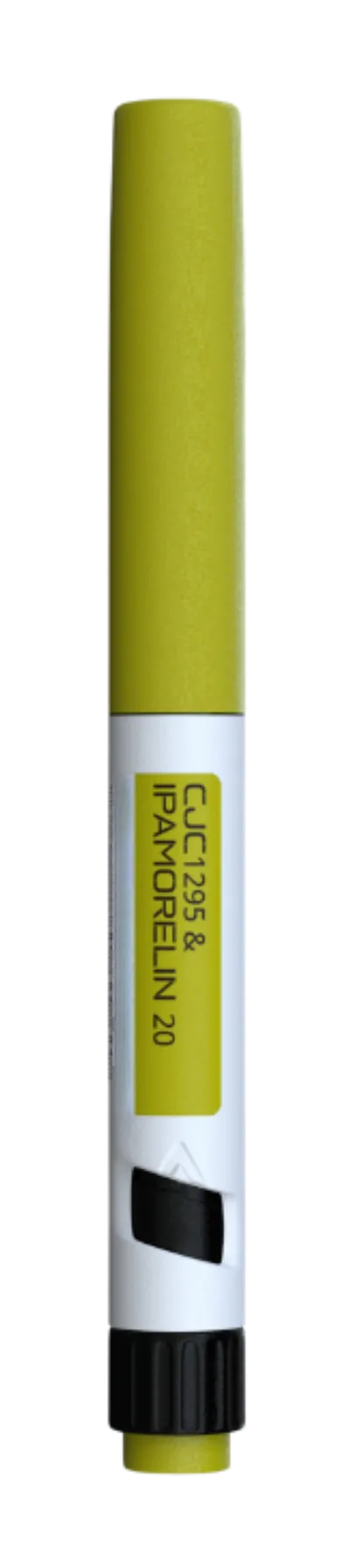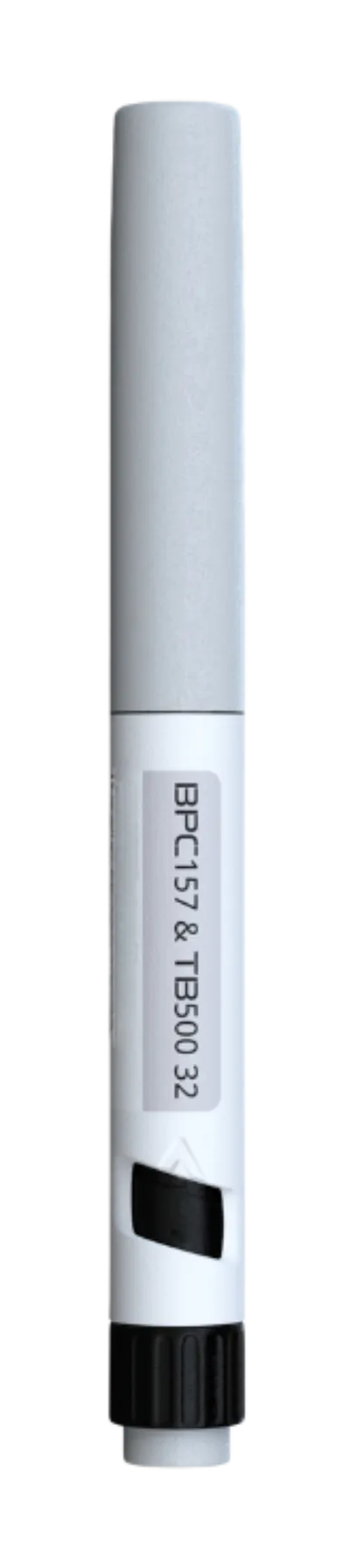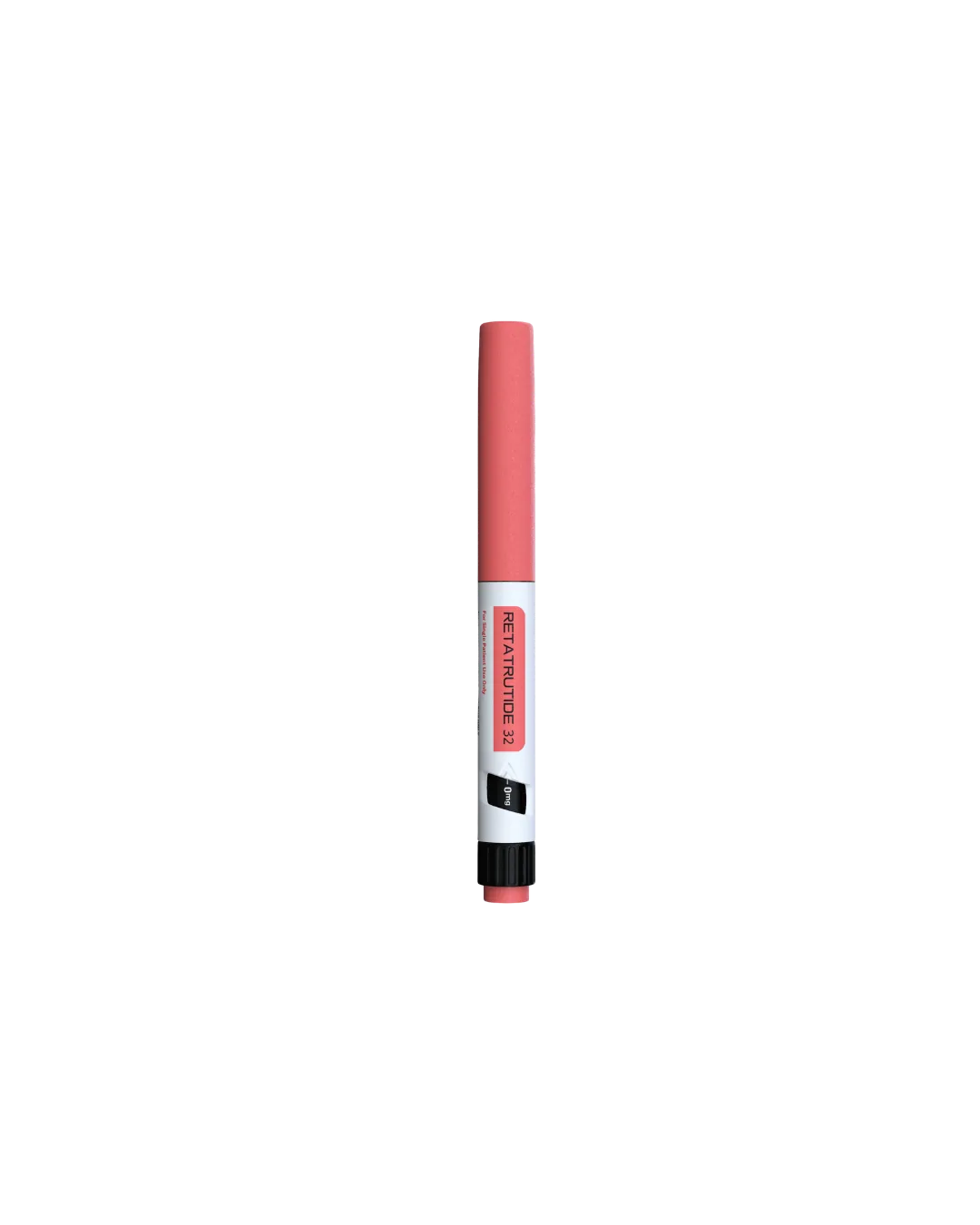
The BPC-157 and TB-500 combination pen contains two distinct research peptides in a single pre-filled pen device. Verifying a combination product is more complex than single-peptide testing because each compound must be quantified separately, and the ratio between them must match the documented blend specification. The Certificate of Analysis on this page confirms both peptides at independent purity thresholds and documents the BPC-157:TB-500 ratio in the finished formulation.
Janoshik Analytical
Independent third-party laboratory
- Report
- #106569
- Batch
- BCTB0178
- Purity (HPLC)
- 99.13% / 99.36%
- Sample Received
- 32mg pen 3ml
In-House Testing
BodyPharm laboratory
- Report
- #250710
- Batch
- BCTB0178
- Purity (HPLC)
- TB-500: 99.13% / BPC-157: 99.36%
- Concentration
- 5.4 mg/ml
Testing Methodology
Independent Verification of Both Peptides
Janoshik Analytical report #106569 documents separate HPLC analysis of BPC-157 and TB-500 from a single sample of batch BCTB0178. The two peptides have markedly different molecular weights and retention times, allowing them to be resolved as distinct chromatographic peaks on a single Reverse-Phase HPLC run. BPC-157 measured 99.36% purity and TB-500 measured 99.13% purity, with the verification record publicly accessible at verify.janoshik.com using the report number.
Blend Ratio Verification
Combination products require additional confirmation that both peptides are present in the documented ratio. The in-house report (#250710) for batch BCTB0178 documents a combined concentration of 5.4 mg/ml in the pen formulation. The integration ratio between the BPC-157 and TB-500 peaks on the chromatogram is matched against the target blend specification to confirm the finished product reflects the intended formulation rather than a single-peptide product mislabeled as a combination.
Stability Considerations for Combined Peptides
BPC-157 (a 15-amino-acid pentadecapeptide) and TB-500 (a 24-residue thymosin beta-4 fragment) have documented stability profiles when stored at 2-8C in solution. The combined formulation is stable through the documented shelf life when refrigerated. HPLC testing is conducted on the final fill rather than on raw peptide material, ensuring the COA reflects what is present in the pen at the point of dispatch rather than the starting material before formulation.
What This Result Means for Researchers
The BPC-157 / TB-500 blend is studied in research investigating tissue cytoprotection, angiogenesis, and extracellular matrix remodelling. BPC-157 (Body Protection Compound 15) is a 15-amino-acid sequence derived from a fragment of gastric juice protein, with research applications across gastric mucosal models, tendon and ligament repair studies, and angiogenic signalling investigation. TB-500 is a synthetic fragment of thymosin beta-4 with research applications in cell migration, collagen deposition, and tissue regeneration models. Combining the two compounds is of research interest because their proposed mechanisms operate through complementary but distinct pathways - BPC-157 via nitric oxide and growth hormone receptor signalling, and TB-500 via actin sequestration and direct effects on actin dynamics.
Frequently Asked Questions
Related Products
BPC157 & TB500 32 Pen
BPC-157 and TB-500 combination 32mg pen, both peptides Janoshik-verified at 99% or higher purity.